Child Therapy

Helping Children Build Confidence, Connection, and Resilience

You might consider child therapy if your child is...

Experiencing emotional challenges?

  • Frequent meltdowns or tantrums
  • Difficulty calming down
  • Anxiety, worry, or fears
  • Irritability or anger
  • Hopelessness or feeling misunderstood

Struggling at home, school or in daily life?

  • School refusal
  • Separation anxiety
  • Difficulty with focus, organization, or transitions
  • Feeling easily overwhelmed
  • Withdrawing from favorite activities
  • Sleep difficulties or nightmares

Having relationship or confidence issues?

  • Difficulty making or keeping friends
  • Feeling lonely or left out
  • Low self-esteem or confidence
  • Frequent family conflict
  • Perfectionism or fear of making mistakes

Navigating major life changes?

  • Sensory overwhelm
  • Sudden changes in mood or behavior
  • Divorce, grief, or family transitions
  • Frequent stomachaches or headaches
If you answered "yes" to one or more of these questions, your child does not have to face these challenges alone. Child therapy can help children better understand their emotions, develop coping skills, strengthen communication, and build healthier relationships.

How Can Therapy Help My Child?

Every child comes to therapy with their own strengths, experiences, and challenges. Therapy goals are tailored to your child’s unique needs, with a focus on supporting their growth, confidence, and well-being.

Therapy can help children:
  • Better understand and express their feelings and needs
  • Learn ways to manage big feelings and overwhelming moments
  • Build coping and emotional regulation skills
  • Grow confidence and develop a stronger sense of self
  • Strengthen communication with caregivers, teachers, and others
  • Navigate transitions, changes, and stressful situations
  • Develop problem-solving and self-awareness skills
  • Build stronger relationships and social skills
  • Feel more understood, supported, and connected
When children feel understood and supported, they are better able to develop the skills they need to navigate challenges, communicate their needs, and build healthy relationships.

At Louisville Family Center, therapy is not about changing who your child is. It is about helping children better understand themselves, recognize their strengths, and develop tools that allow them to thrive.
What about me?

How can Child Therapy help Parents?

Write your awesome label here.

When your child's behavior feels
confusing or overwhelming...

For parents and guardians, it can feel confusing and frustrating when children are exhibiting behaviors that seem extreme or difficult to understand. Often, it is challenging to know whether what your child is experiencing is a typical developmental phase or whether they need additional support.

Children grow and develop quickly, and with each new stage comes new ways they relate to themselves, their emotions, and the people around them. There may be moments when you feel like you finally understand how to communicate with and support your child—only to find that their needs and behaviors have changed.

Parents often find themselves wondering:

  • Will it be like this forever?
  • Will this behavior affect my child's future?
  • Will I ever understand what my child is feeling and know how to help? supervision and trainings
  • Am I responding in the way my child needs?
  • How can I support my child without making things harder?
Write your awesome label here.

You don't have to figure
this out alone.

Child therapy provides a supportive space where children and families can better understand what is happening and learn new ways to navigate challenges together.

At Louisville Family Center, our experienced therapists provide personalized, high-quality care that helps parents and caregivers better understand their child’s emotions, needs, experiences, and behaviors—and how to support them with confidence.

We believe that behavior is communication. Rather than simply trying to stop challenging behaviors, we work to understand what your child may be communicating and explore the emotions, needs, relationships, and experiences underneath.


Every child and family is unique. We honor each family's culture, values, and perspectives while collaborating with you to create a supportive plan that fits your child’s individual strengths, needs, and goals.

Through this process, you and your child’s therapist become a team—working together to strengthen connection, improve understanding, and support your child’s growth both in therapy and at home.

Child Therapy Looks Different for Every Child

Write your awesome label here.

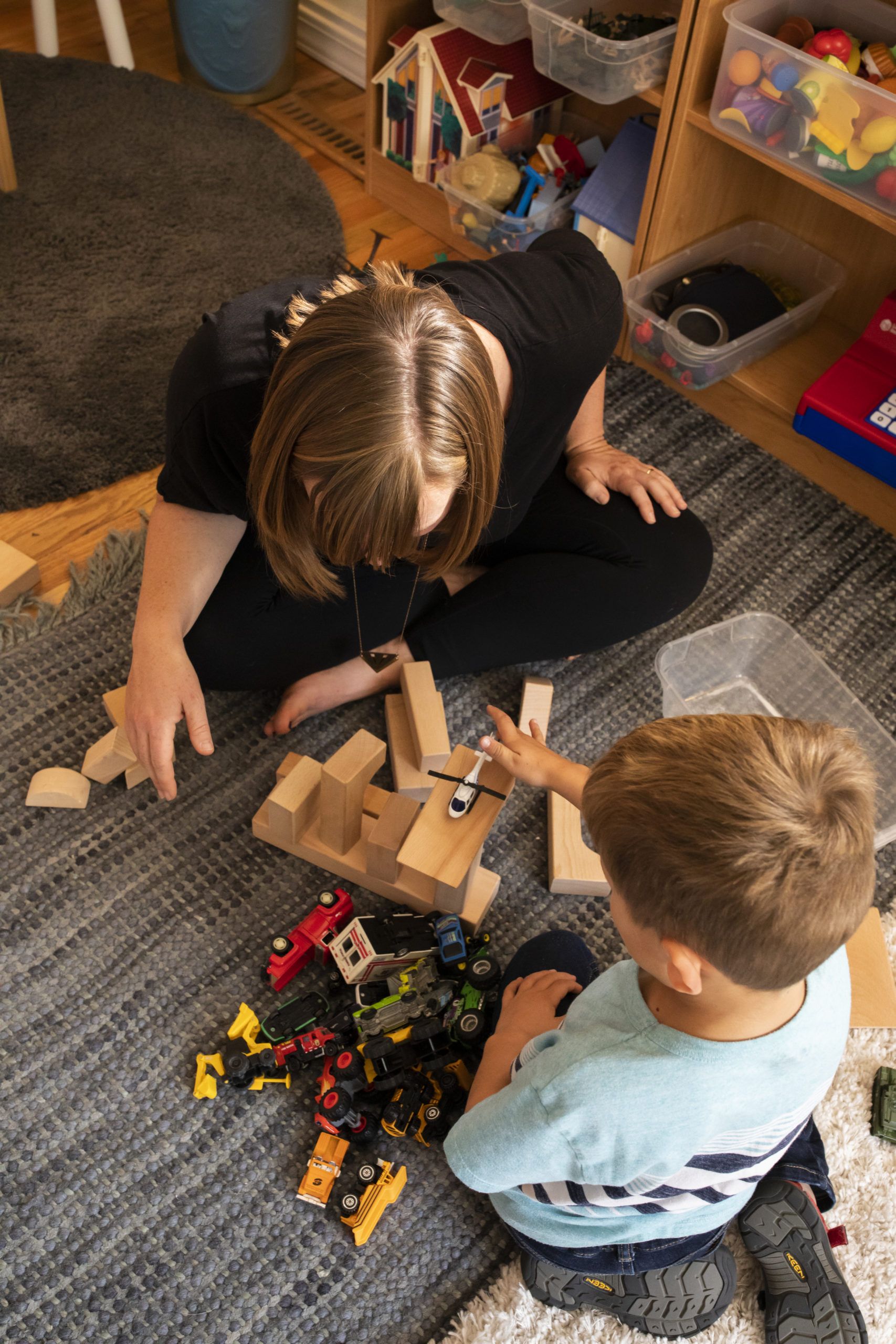
Sessions may include talking one on one with a therapist

Older or more verbal children may spend more time talking, reflecting, skill-building,and developing strategies to navigate challenges.

There may be creative expression, movement or sensory experiences

Younger children, or children needing to access younger memories may communicate through activities, imagination, and hands-on experiences

Parents and caregivers are an essential part of the therapeutic process

Your child's therapist will regularly collaborate with you to share observations, provide support, and work together on ways to strengthen connection and understanding at home.

We can also collaborate with other members of your child’s support team

We can include teachers, school counselors, psychiatrists, occupational therapists (OTs), speech-language pathologists, pediatricians, and other providers.
Because every child communicates, processes emotions, and builds relationships differently, therapy is tailored to your child's age, personality, needs, and goals.  Working together helps create a coordinated approach to supporting your child at home, at school, and in the community.

How do we get started with child therapy?

Getting started is simple...
  • Begin by completing our consultation request form. Once we understand more about your family, your child's needs, and what brings you to therapy, our team will work behind the scenes to connect you with a therapist who is the best fit for your family.
  • A therapist will then reach out to schedule a complimentary 15-minute phone consultation. This is an opportunity to share more about your child, ask questions, learn more about our approach, and determine if Louisville Family Center feels like the right fit.
  • If you decide to move forward, your next step will be a parent/caregiver intake session. This allows your therapist to gather a deeper understanding of your child's experiences, strengths, needs, and goals.
  • From there, your therapist will begin meeting with your child at a frequency that supports their needs while also fitting your family's schedule.
Write your awesome label here.
Our Therapists Are...
  • Trauma-informed, neurodiversity-affirming, and culturally responsive
  • Trained in a variety of therapeutic approaches, including somatic practices, EMDR, Polyvagal Theory, Synergetic Play Therapy, Cognitive Behavioral Therapy (CBT), Dialectical Behavior Therapy (DBT), Internal Family Systems (IFS), and Nonviolent Communication (NVC)
  • Constantly engaged in ongoing learning and professional development to ensure our care reflects current research and best practices.

Common reasons Families Seek Child Therapy

Neurodivergent Experiences

ADHD and executive functioning challenges,
Autism, Obsessive Compulsive Behaviors (OCD), 
Pervasive drive/Pathological Demand Avoidance (PDA)
Giftedness, high IQ, and twice-exceptional (2e) children
Sensory differences

Challenging Circumstances

Social challenges and friendship difficulties, School challenges, Trauma, Grief, Major life transitions, Family changes, Divorce or separation

Stress and Mental Health

Emotional regulation challenges and big feelings, Anxiety and depression, School struggles or avoidance, Perfectionsim and high expectations

Frequently asked questions

How old does my child have to be to benefit from child therapy?

We believe children of all ages can benefit from therapy and support. We have worked with children across the developmental spectrum, from infants to teenagers, and understand that each age and stage brings unique needs and challenges.

The structure and approach of therapy may look different depending on your child's age, personality, communication style, and goals. When you connect with your therapist, they will collaborate with you to determine the best way to support your child and your family.

How long will my child need therapy?

The length of therapy treatment is different for every child and family. There is no one-size-fits-all timeline because each child comes to therapy with their own unique experiences, strengths, needs, and goals.
Some children may benefit from short-term support around a specific challenge, while others may benefit from longer-term therapy to build skills, process experiences, strengthen relationships, and support ongoing growth.

At Louisville Family Center, we believe therapy is a collaborative process. Your child's therapist will regularly check in with you about progress, goals, and what support continues to be helpful for your child and family. Together, we will determine the pace and length of therapy that best fits your child's needs.

What happens in a child therapy session?

Child therapy sessions are designed to meet each child where they are. Because every child communicates, processes emotions, and builds relationships differently, the structure of therapy may look different depending on your child's age, personality, needs, and goals.

During sessions, your child may spend time talking with their therapist, engaging in creative activities, using movement or sensory experiences, practicing new skills, or exploring emotions and relationships in ways that feel natural and comfortable for them. Younger children may communicate through play, imagination, and activities, while older children may spend more time talking, reflecting, and building strategies to navigate challenges.

At Louisville Family Center, we believe parents and caregivers are an essential part of the therapeutic process. In addition to meeting with your child, your therapist will regularly connect with you through caregiver sessions to discuss your child's experiences, share observations, provide support, and collaborate on ways to strengthen connection and understanding at home.

Together, you and your child's therapist become a team—working to better understand your child, support their emotional growth, and help your family navigate challenges with greater confidence.

Do you provide a diagnosis?

At Louisville Family Center, our primary focus is understanding your child’s unique experiences, strengths, needs, and the factors that may be impacting their emotional well-being and relationships.

Our therapists can provide clinical diagnoses when appropriate as part of the therapeutic process. If your therapist believes a diagnosis may be helpful, they will discuss their observations, answer your questions, and collaborate with you before moving forward with any formal diagnosis. 

A diagnosis may help provide insight, guide treatment, support access to services, or help families better understand their child’s experiences. However, we believe a diagnosis is only one piece of the larger picture and does not define who your child is.

If your child’s needs would benefit from a more comprehensive evaluation, such as an assessment for ADHD, autism, learning differences, or other developmental concerns, we can help guide you toward appropriate resources and referrals.

Whether or not a diagnosis is part of your child’s journey, our goal remains the same: to understand your child, support their growth, and help your family build connection, confidence, and understanding.

Do you take insurance?

At Louisville Family Center, we accept most major insurance plans. If we are not in-network with your insurance provider, we can provide a superbill that you may submit to your insurance company for possible reimbursement through your out-of-network benefits.

We recommend contacting your insurance provider directly to learn more about your specific benefits, coverage, and reimbursement options.
Created with